Things to Do in Sapa Vietnam: The Complete 2026 Guide
Sapa is Vietnam's most famous mountain town, but most visitors only scratch the surface. This guide covers the best things to do in Sapa, from the iconic rice terrace treks and Fansipan summit to the hidden villages, beeswax art workshops, and Red Dao herbal baths.


Everything you need to know about things to do in Sapa, Vietnam, This blog including off-the-beaten-path villages, cultural workshops, and insider tips from real travelers.
Why Visit Sapa, Vietnam?
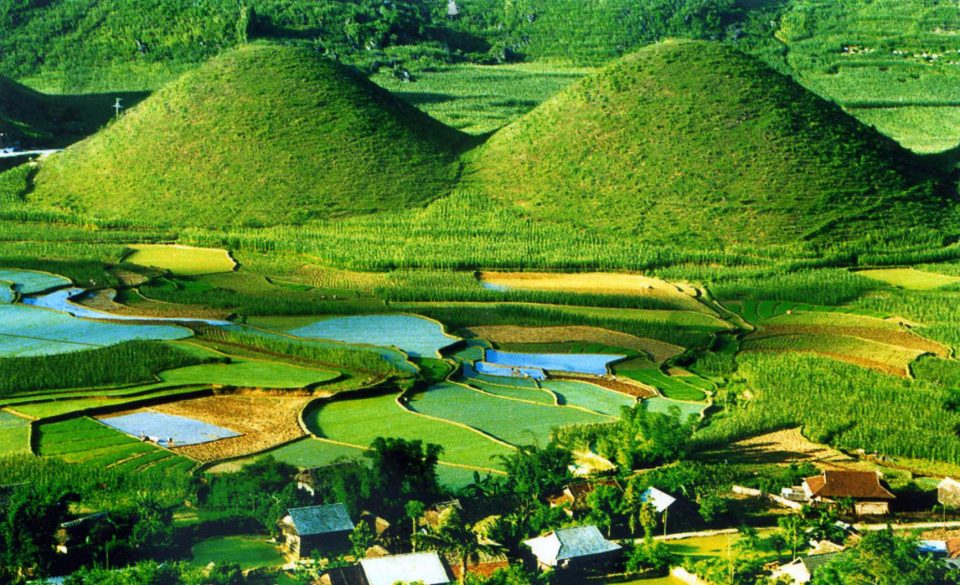
Sapa is one of the most popular mountain destinations in northern Vietnam — and for good reason. The town sits high in the Hoang Lien Son mountain range, surrounded by deep valleys, rice terraces, waterfalls, and ethnic minority villages.
Many travelers use Sapa as a base for trekking, motorbiking, and exploring the culture of the H’Mong, Red Dao, Giay, and Tay people. Others come for the cool mountain air, the dramatic landscapes, and the chance to see a different side of Vietnam beyond the cities and beaches.
And yes, Sapa town can feel busy and touristy in the center. But if you go just a little outside the main streets, the real beauty of Sapa is still very much alive.
Trek Through the Muong Hoa Valley - Top Things to Do in Sapa Vietnam
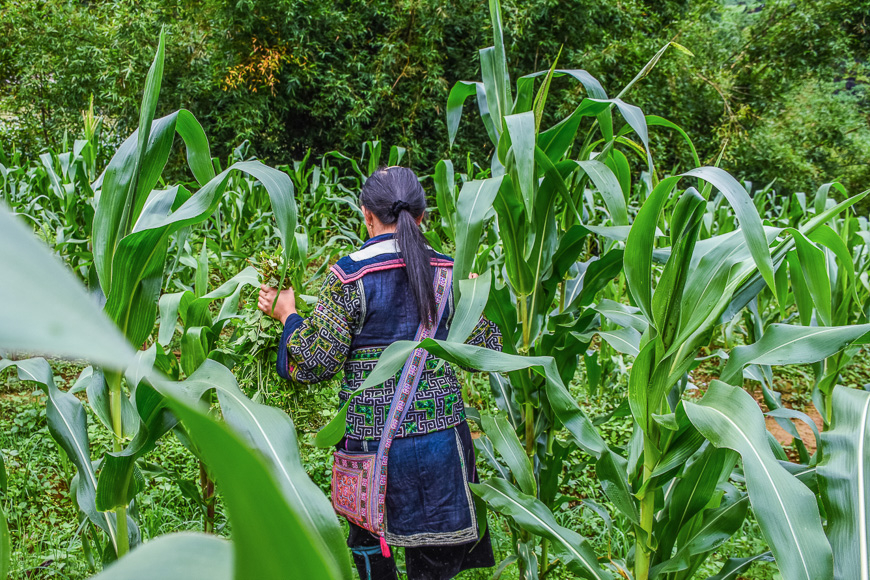
The Muong Hoa Valley is the classic Sapa experience. Rice terraces cascade down the mountainside, small villages sit along the valley floor, and local H’Mong and Giay families still farm the land.
Most treks start in Sapa town and pass through Y Linh Ho, Lao Chai, and Ta Van. The scenery is beautiful, but the main route can get crowded. If you want a quieter walk, ask your guide to take a less-visited path through San Sa Ho or Hau Thao.
Insider tip: Many travelers say the best way to trek is with a local H’Mong guide. They know the trails, the weather, and the families in the villages. You’ll also support the local community directly.
Visit the Villages Around Sapa - Top Things to Do in Sapa Vietnam
- Cat Cat Village – The closest village to Sapa town. It is convenient and easy to visit, but it is also the most commercialized.
- Y Linh Ho – A small H’Mong village on the way to Lao Chai. Quiet and scenic.
- Lao Chai – A popular stop on most treks, with rice terraces and local homes.
- Ta Van – A Giay village and one of the best places to stay overnight in a homestay.
- Ta Phin – A Red Dao village known for herbal baths and embroidery.
Take the Cable Car to Fansipan - Top Things to Do in Sapa Vietnam
Fansipan is 3,143 meters high and known as the “Roof of Indochina.” You can hike it, but most visitors take the cable car from Sapa. On a clear day, the views are incredible.
Explore Ham Rong Mountain - Top Things to Do in Sapa Vietnam
Ham Rong Mountain is right next to Sapa town. It is an easy half-day activity with gardens, viewpoints, and a short hike. The view over Sapa and the surrounding valley is worth the walk.
It is not the most wild or remote experience in Sapa, but it is convenient and good for travelers with limited time.
See Sapa Stone Church and the Night Market - Top Things to Do in Sapa Vietnam
The Stone Church is one of the few remaining French colonial buildings in Sapa. It is a nice photo stop in the center of town.
At night, the Sapa night market comes alive with street food, souvenirs, and local products. Try some grilled skewers, hot corn, or a bowl of noodle soup.
Visit Love Waterfall and Silver Waterfall - Top Things to Do in Sapa Vietnam
These two waterfalls are easy to combine with a motorbike or car trip. Silver Waterfall is bigger and more dramatic. Love Waterfall is smaller but sits in a beautiful forest area.
They are popular stops on the way to O Quy Ho Pass, so you can easily visit them in one day.
Drive Over O Quy Ho Pass - Top Things to Do in Sapa Vietnam
O Quy Ho Pass, also called Heaven’s Gate, is one of the most spectacular mountain roads in Vietnam. The pass connects Sapa with Lai Chau Province and offers wide views over the Hoang Lien Son range.
You can do it by motorbike, car, or easy rider. If you are not comfortable driving a motorbike in Vietnam, hire a local driver. The road is beautiful but can be dangerous in bad weather.
Try a Red Dao Herbal Bath in Ta Phin - Top Things to Do in Sapa Vietnam
A Red Dao herbal bath is one of the most relaxing things to do in Sapa. It uses around 120 mountain herbs, boiled and poured into a wooden tub. It is a traditional health practice, not just a spa treatment.
Ta Phin village is the best place to try it. Many Red Dao families prepare the herbs themselves and have done so for generations.
Join a Batik or Embroidery Workshop - Top Things to Do in Sapa Vietnam
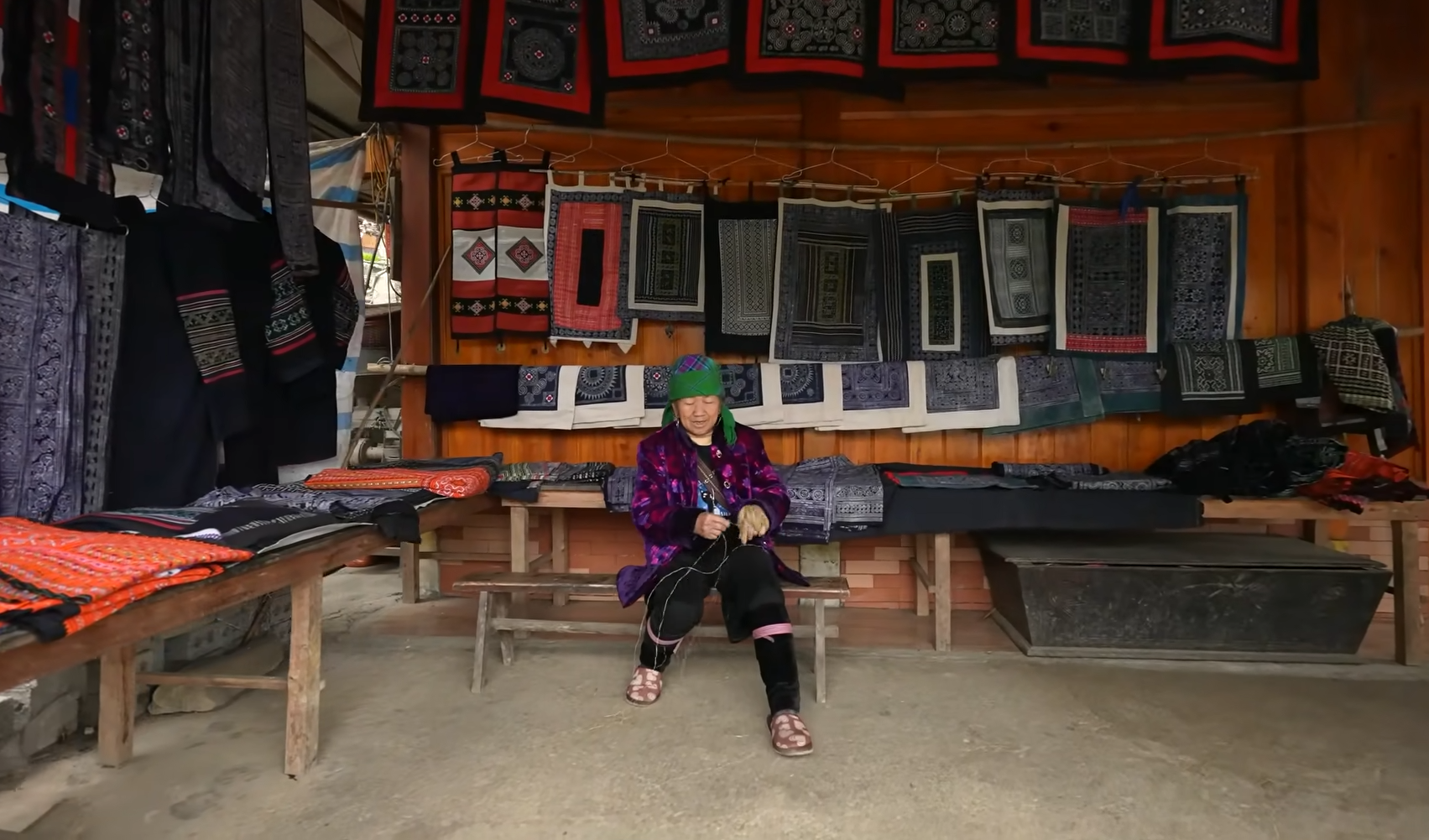
H’Mong women are famous for their batik, embroidery, and indigo dyeing. In a workshop, you can learn how to draw patterns with hot beeswax, dye cloth with indigo, or create your own embroidery.
It is a hands-on cultural experience and a great way to bring home something meaningful. Workshops usually last a few hours and are suitable for beginners.
Try Local Sapa Food
- Thang co – A traditional H’Mong stew, often made with horse meat and herbs.
- Cap nach pork – Free-range black pig, grilled or roasted.
- Mountain vegetables – Fresh greens cooked with garlic or ginger.
- Salmon and sturgeon – Farmed in Sapa and served in many local restaurants.
- Rice wine – Homemade and strong. Drink slowly.
Lesser-Known Experiences That Are Still Easy to Add
You don’t need to go deep off the tourist trail to find quieter sides of Sapa. These experiences are still accessible but often missed by short-term visitors.
- Sleep in a Valley Homestay: Instead of staying in Sapa town every night, spend at least one night in Ta Van, Lao Chai, or Hau Thao. You’ll wake up to rice fields, mountain air, and a home-cooked breakfast.
- Go Cloud Hunting at Hang Da or Sau Chua: From October to March, cold mornings often create a “sea of clouds” in the valleys. Hang Da and Sau Chua are two quiet villages where you can watch the clouds roll in below you.
- Do a Short Motorbike Loop: A half-day motorbike loop from Sapa can take you through O Quy Ho Pass, Sa Xeng, Sau Chua, Trung Chai, and Ta Phin. It combines mountain views, villages, and waterfalls in one trip.
- Visit Bac Ha Market on Sunday: If your trip includes a Sunday, consider a side trip to Bac Ha Market. It is one of the largest and most colorful ethnic markets in northern Vietnam. You can buy textiles, try local food, and see people from many different ethnic groups.
Best Time to Visit Sapa
- September – October: Best for golden rice terraces. The fields turn yellow before harvest.
- April – May: Best for clear skies, mild weather, and green landscapes.
- October – March: Best for cloud hunting, but it can be cold and foggy.
- June – August: Green season. Rice fields are lush, but it rains a lot. Landslides can happen on mountain roads.
- December – February: Cold and sometimes icy. Snow is rare but possible. Bring warm clothes.
Where to Stay in Sapa
- Sapa Town: Good for convenience, restaurants, and tour offices. Best if you only have one night.
- Ta Van Village: Best overall for homestays and valley views. Great for 2–3 nights.
- Lao Chai Village: Quieter than Ta Van, with beautiful rice terrace views.
- Hau Thao / Hang Da: More remote. Best for cloud hunting and quiet stays.
Sapa Travel Tips Google Won’t Always Tell You
- Check the Fansipan live weather cam before buying cable car tickets. Fog can ruin the view.
- Avoid weekends if possible. Sapa gets very busy with domestic tourists.
- Bring layers. Mornings and evenings can be cold, even in autumn.
- Carry cash. Many villages, homestays, and small shops do not accept cards.
- Hire a local guide for trekking. The trails are not always well marked, and weather can change quickly.
- Respect local culture. Ask before taking photos of people, especially in villages.
- Don’t rush. Sapa is best experienced slowly. One full day in the valley is better than three rushed tours.
Are you ready to experience Sapa Vietnam?
At VietnamTripDeal, we help travelers build personalized Sapa itineraries with local guides, village homestays, trekking routes, and cultural experiences that match your travel style. Whether you want a short 2-day trip or a deeper 4-day mountain adventure, we can help you plan it.
Contact VietnamTripDeal today and let us help you create your perfect Sapa journey.
Quick answers
Is Sapa worth visiting?
Yes. Sapa has become more touristy in the town center, but the surrounding valleys, villages, and mountain landscapes are still beautiful and culturally rich. Stay outside the main town for a more authentic experience.
How many days do I need in Sapa?
Three days is ideal. Two days is possible if you are short on time. Four days lets you explore more villages and quieter areas.
What is the best time to visit Sapa?
September to October for golden rice. April to May for clear skies. October to March for clouds. Avoid June to August if you dislike heavy rain.
Do I need a guide in Sapa?
You can trek without one, but a local guide makes the experience better. They help with navigation, weather, homestays, and cultural understanding.
What should I not miss in Sapa?
Muong Hoa Valley, Ta Van village, Fansipan, O Quy Ho Pass, a Red Dao herbal bath, and a local homestay.
Is Sapa safe?
Yes, Sapa is generally safe. The main risks are weather, slippery trails, and motorbike accidents. Be careful on mountain roads and always check conditions.
Continue Reading